Magnolia

Magnolia tree in full bloom

Many species of magnolia are used in both Eastern and Western herbalism. The Chinese have used the bark of Magnolia officinalis, called in Chinese hou po since the first century A.D. M. officinalis is a deciduous tree that grows to a height of 75 ft (22 m). It has large leaves surrounding a creamy white fragrant flower.

The pungent aromatic bark is used in healing. Originally native to China where it grows wild in the mountains, M. officinalis is now grown as an ornamental for use in landscaping around the world.

Chinese herbalists also use the bud of Magnolia liliflora in healing. The Chinese name for magnolia flower is xin yi hua. Note that in Chinese herbalism, magnolia bark and magnolia flower are considered different herbs with different properties and uses.

Maitake

Maitake
Maitake

Maitake, Grifola frondosa, is a mushroom found growing wild in Japan and in forests in the eastern part of North America, where it grows on dying or already dead hardwood trees.

The word maitake means “dancing mushroom” in Japanese; the mushroom was given this name because people were supposed to have danced for joy when they found it. It is also called “hen-in-the-woods” and can reach the size of a head of lettuce.

Because maitake comes from the polypores group, it produces a bunch of leaf-like clumps that are intertwined. During Japan’s feudal era, maitake was used as currency; the daimyo, or provincial nobles, would exchange maitake for its weight in silver from the shogun, the military ruler of Japan.

Malaria

Malaria
Malaria

Malaria is a serious infectious disease spread by certain mosquitoes. It is most common in tropical climates. It is characterized by recurrent symptoms of chills, fever, and an enlarged spleen. The disease can be treated with medication, but it often recurs.

Malaria is endemic (occurs frequently in a particular locality) in many third world countries. Isolated, small outbreaks sometimes occur within the boundaries of the United States, with most of the cases reported as having been imported from other locations.

Malaria is a growing problem in the United States. Although only about 1400 new cases were reported in the United States and its territories in 2000, many involved returning travelers. In addition, locally transmitted malaria has occurred in California, Florida, Texas, Michigan, New Jersey, and New York City.

Malignant Lymphoma

Malignant Lymphoma
Malignant Lymphoma

Lymphomas are a group of cancers in which cells of the lymphatic system become abnormal and start to grow uncontrollably. Because there is lymph tissue in many parts of the body, lymphomas can start in almost any organ of the body.

The lymphatic system is made up of ducts or tubules that carry lymph to all parts of the body. Lymph is a milky fluid that contains lymphocytes. These, along with monocytes and granulocytes make up the leukocytes, or white blood cells, the infection-fighting and reparative bodies in the blood.

Small pea-shaped organs found along the network of lymph vessels are called lymph nodes; their main function is to make and store lymphocytes. Clusters of lymph nodes are found in the pelvic region, underarm, neck, chest, and abdomen.

Manganese

Manganese
Manganese

Not to be confused with magnesium, manganese is a trace mineral used by some people to help prevent bone loss and alleviate the bothersome symptoms associated with premenstrual syndrome (PMS). It may have a number of other beneficial effects as well.

While most of the body’s mineral content is composed of such macrominerals as calcium, magnesium, and potassium, certain trace minerals are also considered essential in very tiny amounts to maintain health and ensure proper functioning of the body. They usually act as coenzymes, working as a team with proteins to facilitate important chemical reactions.

Even without taking manganese supplements, people with an average diet consume somewhere between 2 and 3 mg of the mineral through food and drink. While most authorities agree that manganese is a vital micronutrient, it is not known for certain if taking extra amounts can be helpful in treating osteoporosis, menstrual symptoms, or other problems.

Marijuana

Marijuana
Marijuana

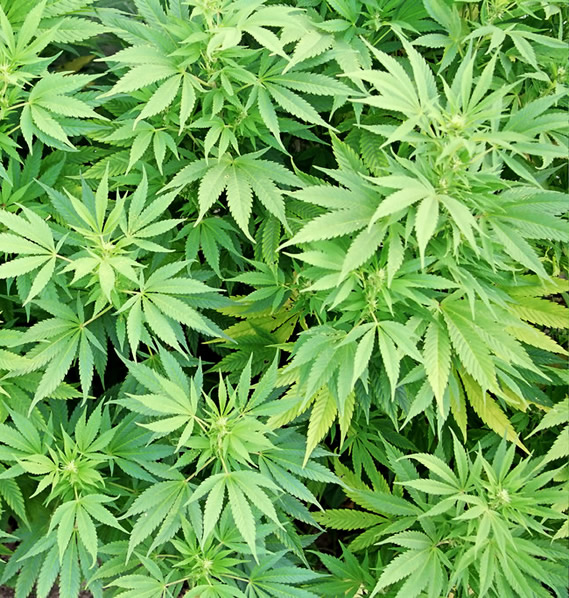
Marijuana (marihuana), Cannabis sativa L., also known as Indian hemp, is a member of the Cannabaceae or hemp family, thought to have originated in the mountainous districts of India, north of the Himalayan mountains. The herb was referred to as “hempe” in A.D. 1000 and listed in a dictionary under that English name.

Supporters of the notorious Pancho Villa first called the mood-altering herb they smoked marijuana in 1895 in Sonora, Mexico. The term hashish, is derived from the name for the Saracen soldiers, called hashashins, who ingested the highly potent cannabis resin before being sent out to assassinate enemies.

Two related species of cannabis are C. ruderalis and C. indica, a variety known as Indian hemp. Indian hemp grows to a height of about 4 ft (1.2 m) and the seed coats have a marbled appearance.

Marsh Mallow

Marsh Mallow
Marsh Mallow

Marsh mallow (Althaea officinalis) is a perennial plant that grows in salt marshes, damp meadows, and on the banks of tidal rivers and seas. It originated in countries adjoining the Caspian Sea, Black Sea, and in the eastern Mediterranean, and is native to Europe and western Asia. Marsh mallow is found in North America along the eastern seaboard.

The plant stems grow to a height of 3-4 ft (1-1.3 m) and have round, velvety leaves that are 2-3 in (5-7.5 cm) long. Pale pink or white flowers bloom in August or September, and the roots are thick and long.

The whole plant is used medicinally. The leaves and flowers are picked when the flowers are blooming. The roots are harvested in the fall, but the plant must be two years old before the root is harvested.